What Are “Invisible Skills” in Scuba Diving?
Divers learn visible skills like buoyancy control, mask clearing, and gas-sharing procedures. These are possible to demonstrate and copy. We can also learn and practice skills that can not be seen, invisible skills: the internal, psychological skills we use to notice, focus, regulate, decide, and act. They are learned over time, sometimes refined in training, and often make the difference between feeling overloaded and staying steady.
Invisible skills help you to:
- manage attention and reset focus
- work with unhelpful thoughts and emotions
- plan, rehearse, and execute tasks more smoothly
- make values-consistent decisions under pressure
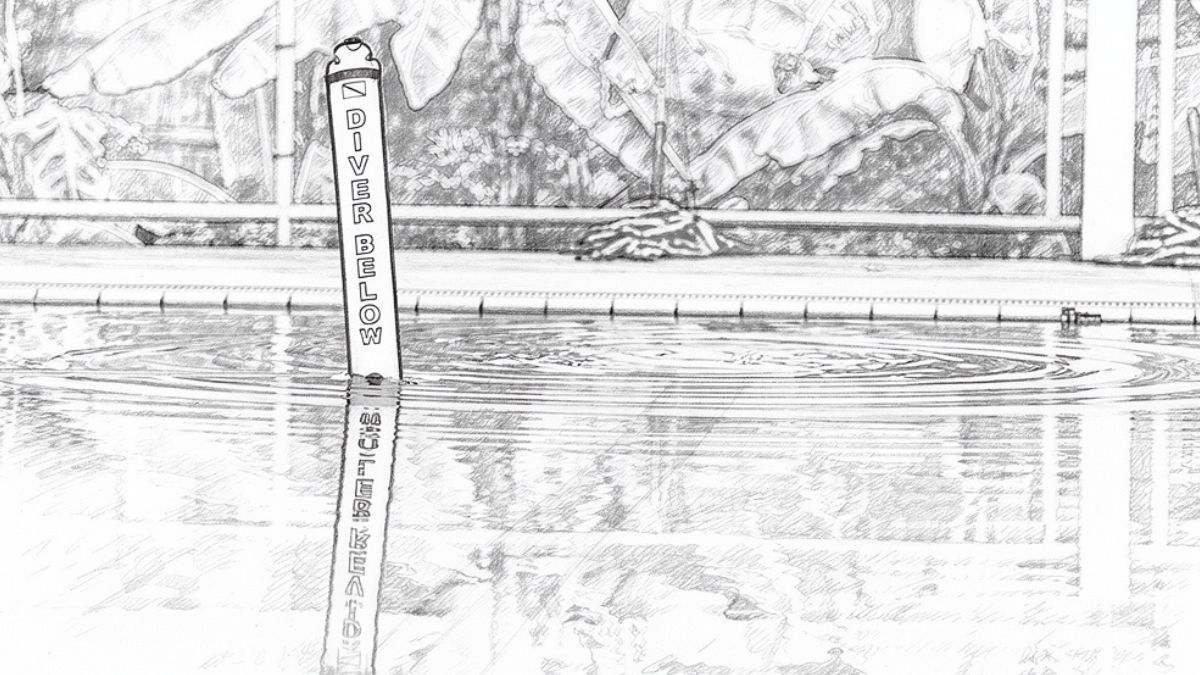
However, these kind of mental skills are hard to see. It’s a little like being on the surface and seeing a surface marker buoy pop up on the horizon. From your perspective, you can’t actually see what the diver did to make that happen. Did they use a reel or a spool? Which method of inflation did they use? Just like when you see someone respond calmly – what is the mechanism going on under that calm?
Psychological Skills for Divers
Examples of psychological skills and how to use them in diving.
- DEFUSION: Step back from unhelpful thoughts so you can gain enough distance to see clearly and choose the next useful action.
- COGNITIVE REFRAMING: Replace an inaccurate or unworkable interpretation with a more helpful one that guides effective action.
- ANCHORING: Use simple sensory cues to connect to the present surroundings and stabilise attention under stress.
- MENTAL REHEARSAL: Run through the steps of a skill or procedure in your mind before and to improve execution.
- NOTICING: Recognise when attention has been captured by thoughts or sensations conciously become aware of attention and deliberately refocus on the task or environment.
- USEFUL SELF-TALK: Use short, task-focused phrases to cue the next safe step and reduce hesitation.
- DIRECTING THE BREATH: Apply slow, controlled breathing to regulate arousal and support buoyancy, timing, and decision making.
- ACCEPTANCE: Letting go of anything we can’t control so that we are not dragged away with it.
Letting Go: From a Jammed DSMB Reel to Jammed Thoughts
When a Delayed Surface Marker Buoy (DSMB) reel jams and starts to pull you upward, the workable choice is usually to let the reel go to prevent an uncontrolled ascent. You recognise the risk. Release the reel and regain control of buoyancy and depth. The same principle applies to unworkable thoughts during a dive.
Picture a diver at depth deploying a DSMB. Gas goes in, lift takes hold, and the reel snags; tension builds quickly. There are only seconds to respond before the upward pull increases. The diver releases the reel, stabilises buoyancy, pauses, signals their buddy, and, when ready, continues the ascent plan in a controlled way.
Attention can also jam, and cause problems. A thought snags: “What if my regs fail?”, “Did I mess up the plan?”, “I don’t like this.” There is a real risk those thoughts can wind up the nervous system towards a state of stress. Getting pulled by those thoughts can even generate panic.
Notice the tug on attention and ask, “Do I need to do something with this now?” If yes, act. If not, let it go and return attention to breathing, buoyancy, your buddy, and the task at hand.
Learning Psychological Skills for Scuba Divers
Invisible skills can be a bit tricky to learn, because we can’t see how other people are doing them, and those watching us can’t see what we are doing either. What we see on the outside, the success or mistake, the calm or the panic comes out of those processes … but its hard to see how a calm, regulated state, is achieved.
Ideally, we can talk about our processes and gain feedback or hear how other people do things. However, there are these known responses that can can be developed through practice. If you are interested in expanding your invisible skills, explore Fit To Dive practices here. (The first month is free).

Leave a Reply