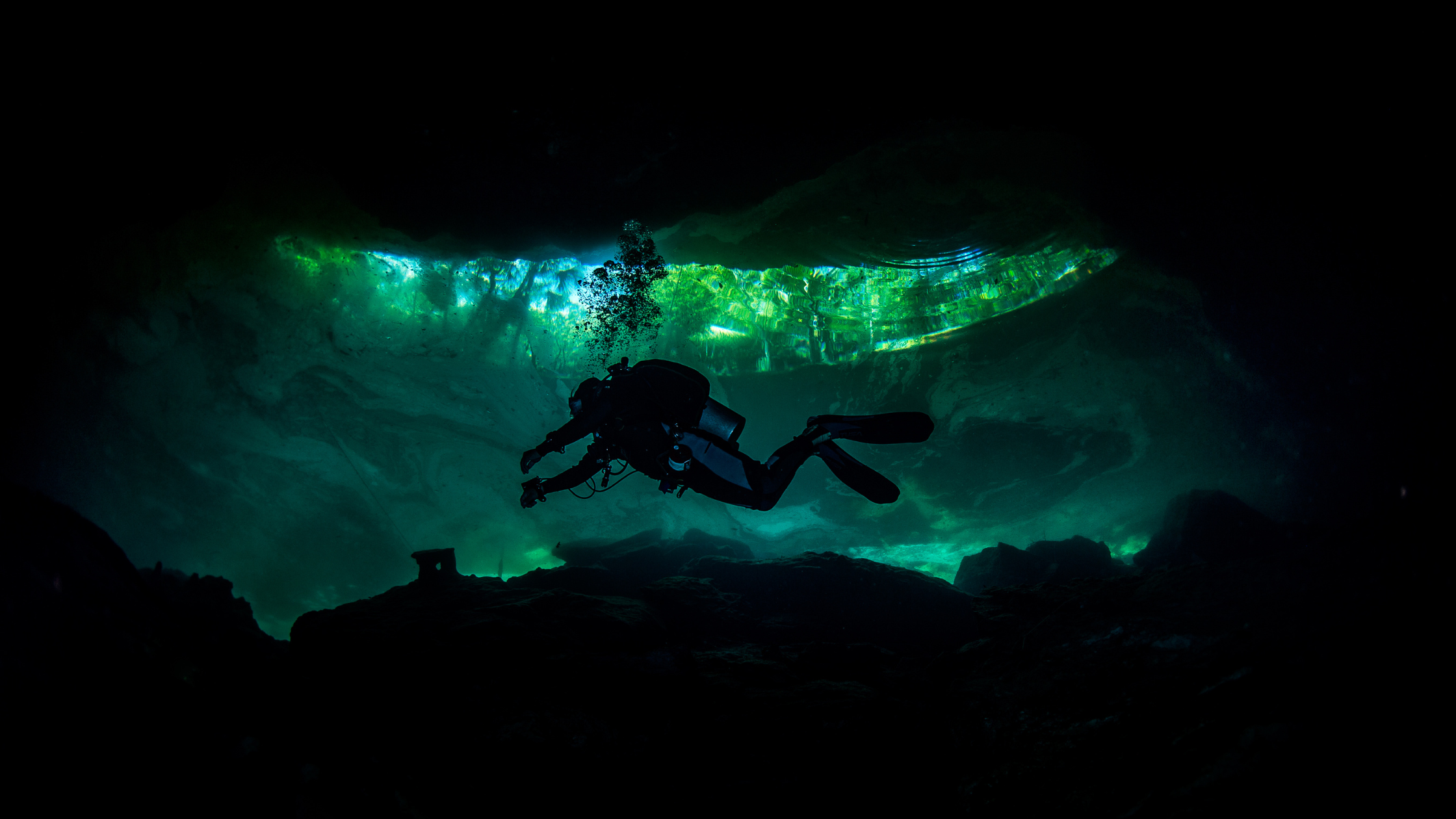
Scuba diving immerses you in a vibrant, underwater realm filled with breathtaking beauty. Yet, for some, diving stirs a different feeling: the intense discomfort of claustrophobia. Diving with claustrophobia brings valid questions, as well as raising areas where lack of awareness presents risk. However, information is limited, with little information from agencies and concerns noted by diving medical physicians. In a quick search of scientific articles, I also found no studies of claustrophobia in scuba diving, only to articles on panic and anxiety.
If confined spaces make you uneasy or anxious, the idea of donning scuba gear and descending into the depths can be intimidating. Addressing these concerns is helpful not just for your own peace of mind, but also for your safety. In this article, we’ll explore:
- What claustrophobia is and how it manifests during scuba diving
- The psychological and physical risks involve
- Common diving scenarios that may trigger claustrophobic reactions
- Effective strategies to manage and overcome these fears
“The water can either be a space of freedom or a source of fear; it’s up to us to decide how we interact with it.” – Anonymous Diver
We’ll also look at some ways that divers do successfully address their claustrophobia, providing you with insights and inspiration. Whether you’re a seasoned diver or just starting out, we hope to offer guidance and reassurance on your journey to becoming a more confident and relaxed underwater explorer.
What is Claustrophobia?
Claustrophobia is an anxiety condition, a type of specific phobia, characterized by an intense fear of confined or enclosed spaces. This fear can be triggered by situations such as being in an elevator, a small room without windows, or even tight clothing. The sensation of being trapped or unable to escape often exacerbates the anxiety. Individuals with claustrophobia may experience a range of symptoms when faced with confined spaces. These symptoms can include sweating, increased heart rate, dizziness, shortness of breath, and even panic attacks. (ICD-11; NHS Website) The severity of the symptoms can vary widely from person to person.
The development of claustrophobia can be complex and multifaceted. It may often stem from a traumatic experience involving confinement, such as being trapped in a small space as a child. It can develop as a learned reaction to seeing a parent’s fear of enclosed spaces. Genetic factors and epigenetic factors also play roles in the development of this phobia, via hormone responses to stress, for example. Claustrophobia is not just a psychological issue; it can have significant physical manifestations. The body’s fight-or-flight response is activated, leading to the release of stress hormones like adrenaline. This physiological response can make the experience of claustrophobia even more overwhelming.
Understanding claustrophobia is important for scuba divers, as the underwater environment can often present confined spaces, such as caves, wrecks, or even the feeling of being enclosed by water. Recognising the signs and symptoms can help divers take proactive steps to manage their fear and ensure a safer diving experience.

Can someone who has claustrophobia scuba dive?
Given the relatively high rate of claustrophobia, this is a common question for divers and those looking to learn to dive. If this is a concern for you, first of all, reflect on what you mean when you say you are claustrophobic. Is it that you don’t like small spaces? Do you get a bit nervous or uncomfortable in buses, back of cars, elevators/lifts or other enclosed spaces? Or do you experience a high level of anxiety and potentially panic in these situations? Also, do you have a medical diagnosis of specific phobia?
In the case of the latter answers, then it will be important to review this with a diving medical doctor. Many of the declarations forms for diving fitness include a question about psychological or psychiatric conditions. A diagnosis of claustrophobia, or previous experience of panic in enclosed spaces, really does need to be taken seriously, for reasons that we will come to below.
However, as a diving instructor, I also know that many people who say they are just a bit uncomfortable with small spaces or are concerned about restrictive equipment, turn out to have no issue at all. Particularly in warm, clearer water, many people are surprised to find that, rather than feeling trapped, they feel freedom and space! Many divers would say that the ability to float and move in all directions is quite the opposite from claustrophobic. Though there are some situations in diving that can trigger claustrophobia.

The Psychological and Physical Risks of Diving with Claustrophobia
Claustrophobia in scuba diving can lead to panic episodes which are particularly dangerous underwater. A diver experiencing panic may make irrational decisions, such as rapid ascents, which can result in decompression sickness or lung over-expansion injuries. Divers with claustrophobia may experience increased heart rates and elevated stress levels, which can lead to hyperventilation. Hyperventilation underwater can cause a decrease in carbon dioxide levels, leading to dizziness, confusion, and even loss of consciousness. Claustrophobia can cause a diver to become disoriented and lose situational awareness. This disorientation can lead to poor navigation, separation from the dive group, or even getting trapped in confined spaces such as caves or wrecks.
Claustrophobia may mean a diver is more prone to equipment misuse or failure, due to higher levels of stress. In a state of panic, they might struggle with their gear, leading to potential issues such as mask flooding, regulator dislodgement, or entanglement. Claustrophobia can significantly reduce a diver’s ability to communicate effectively with their dive buddy or instructor. This breakdown in communication can hinder the ability to signal for help or convey important information, increasing the risk of accidents. The psychological stress caused by claustrophobia can lead to a reluctance to dive, which might result in a lack of practice and skill deterioration. Infrequent diving can make it harder to maintain proficiency, increasing the likelihood of errors during dives.
It’s not just underwater! Recompression Therapy Happens in Small Spaces
Claustrophobia in recompression chambers can be a significant concern for individuals undergoing treatment for conditions such as decompression sickness (DCS) or arterial gas embolism (AGE). These chambers are typically small, enclosed spaces designed to simulate the pressure conditions found underwater, which can trigger or exacerbate feelings of claustrophobia in susceptible individuals. The confined environment of a recompression chamber can intensify the symptoms of claustrophobia, such as panic attacks, shortness of breath, sweating, and an overwhelming sense of fear. This can be particularly problematic because the patient needs to remain calm and still for the treatment to be effective, and panic can interfere with the therapeutic process.
Additionally, gradual exposure to the chamber environment can help desensitize individuals to the confined space. Technological solutions can also play a role. Modern recompression chambers are often equipped with transparent sections or video systems that allow patients to see outside the chamber, reducing the feeling of confinement. Communication systems enable constant contact with medical staff, providing reassurance and reducing anxiety.
Addressing claustrophobia in recompression chambers involves several strategies. Psychological preparation is key; patients can benefit from counseling or cognitive-behavioral therapy (CBT) before the treatment to manage their anxiety. EMDR is highly effective for specific phobias like this too. This preparation is possible for planned HBOT treatment, however, decompression illness is a medical emergency that responds best, and gives the optimum outcomes when done as soon as possible. Although EMDR can sometimes be done in a few hours, it and most other therapies take weeks-to-months and certainly are not an option when a diver requires urgent recompression and is anxious about the chamber. In this case, medics and chamber assistants would do their best to calm, distract and reassure, and in some cases people would manage or even overcome the fear through forced exposure. But there is a risk of panic during treatment and worsening of the claustrophobia.
Potential treatment refusal and barriers to treatment, in the event recompression is required, is one of the reasons that people with claustrophobia may be refused medical clearance to scuba dive by some doctors.
Which diving environments are most likely to trigger claustrophobia?
Claustrophobia in scuba diving can often be triggered during the initial descent. The process of descending into the water can create a feeling of being enclosed, especially as the diver moves further away from the surface and natural light diminishes. The pressure changes and the sensation of being surrounded by water can exacerbate these feelings of confinement.
Enclosed spaces such as shipwrecks, caves, and underwater tunnels are primary triggers for those with claustrophobia. The lack of natural light and the narrow passages can create a feeling of confinement. Additionally, low visibility conditions, where water is murky or dimly lit, can exacerbate feelings of unease.
Low Visibility Conditions: Murky waters, silt, or night dives can significantly reduce visibility, making the underwater environment feel more enclosed. The inability to see clearly can amplify feelings of being trapped and exacerbate claustrophobic reactions.
Crowded Dive Sites: Popular dive sites that attract many divers can become congested, leading to a sense of being surrounded and restricted. The presence of multiple divers in close proximity can make it difficult to maneuver freely, triggering claustrophobic feelings.
Deep Dives: As divers descend to greater depths, the increasing water pressure and the knowledge of being far from the surface can induce a sense of entrapment. The psychological impact of being deep underwater can be a significant trigger for those with claustrophobia.
Dive Training Simulations: Training exercises that involve confined space drills, such as practicing emergency ascents or navigating through hoops and tunnels in a pool, can simulate claustrophobic conditions. These controlled environments are designed to prepare divers but can also trigger anxiety in those susceptible to claustrophobia.
Of course, every diver’s experience is unique. Some may find deep dives overwhelming due to the pressure and the increased sense of enclosure beneath many atmospheres of water. Others might struggle with the constriction felt in a wetsuit or the sensation of breathing through a regulator.

Scuba Diving Equipment and Claustrophobia
Scuba diving equipment can be quite bulky and restrictive, which may trigger feelings of claustrophobia. The wetsuit, for instance, fits tightly against the skin, potentially causing discomfort and a sense of being trapped. This snug fit, while necessary for thermal protection, can make some divers feel constrained and anxious. The mask used in scuba diving covers the nose and eyes, creating a sealed environment that can exacerbate feelings of confinement. For individuals with claustrophobia, the sensation of having their face enclosed and their breathing restricted to the mouth can be particularly distressing. The regulator, which divers use to breathe underwater, forces them to rely on a mechanical device for air supply. This dependency can induce anxiety in claustrophobic individuals, as it represents a loss of control over a fundamental life function—breathing. The sound of the regulator and the bubbles it produces can also be unsettling for a minority.
A jacket-style buoyancy control device (BCD) is another piece of equipment that can rarely contribute to claustrophobia. It wraps around the diver’s torso and can feel tight, especially when inflated. The sensation of the BCD pressing against the body can heighten the feeling of being confined, making it difficult for claustrophobic divers to relax. In cold water, dry suits can often feel restrictive at first: stiff, heavy material can make it more effortful to move and the neck seal can be a challenge for some people. The overall sensation of being underwater, surrounded by equipment, and the inability to surface quickly can amplify feelings of claustrophobia. The combination of the wetsuit, mask, regulator, and BCD can create a cumulative effect, making the diver feel overwhelmed and trapped.
It is important to add, however, that most divers get used to the equipment quickly, and do not find it restrictive. The point is that for those with a pre-disposition to reacting anxiously to enclosure or restriction, it could be an issue.

How Claustrophobia May Be Experienced When Diving
One of the early signs of claustrophobia when diving is an overwhelming sense of panic or anxiety. This can manifest as a sudden feeling of dread or fear that seems disproportionate to the situation. Divers may feel trapped or suffocated, even in open water, which can lead to a rapid increase in heart rate and breathing. Another early indicator is difficulty breathing. Even though divers have access to a steady supply of air through their regulators, those experiencing claustrophobia might feel as though they are not getting enough oxygen. This can lead to hyperventilation, which can exacerbate feelings of panic and anxiety due to being underwater and breathing dense gas/air.
A diver experiencing early signs of claustrophobia may also exhibit physical symptoms such as sweating, trembling, or shaking, though these are hard to notice underwater and cold makes sweating less likely. These symptoms are often accompanied by a feeling of tightness in the chest, which is more frequently reported by divers who have experienced panic on dives. Disorientation and confusion can also be early signs of claustrophobia in divers. Affected individuals might have trouble focusing on their surroundings or following instructions from their dive buddy or instructor. This mental fog can increase the risk of making mistakes or becoming lost underwater.
Another sign to watch for is a strong desire to surface immediately. Divers experiencing claustrophobia might feel an urgent need to ascend, even if it is not safe to do so. This can be dangerous as it may lead to rapid ascents, which increase the risk of decompression sickness. Finally, avoidance behavior is a key early sign of claustrophobia. Divers might hesitate to enter confined spaces such as caves, wrecks, or even swim-throughs. They may also show reluctance to dive in low-visibility conditions or at greater depths where the sense of confinement is more pronounced.
Avoidance is a fascinating topic in the psychology of diving, because the very act of avoiding a situation or behaviour can increase anxiety. Often chronic issues with panic in diving can be partly driven by previous experiences that were avoided by reactively cutting short a dive. However, in diving when anxious and at risk of panic, it is important to terminate the activity and potentially end the dive! It creates a paradox when working with diver panic; I usually address this by using out-of-water exposure (imagined or with EMDR) followed by only easy dives or snorkels, and then very gradual increase in level of challenge.

Strategies to Overcome Claustrophobic Reactions
For those who are just a bit uncomfortable with small spaces, and do not have previous history of claustrophobia as a medical condition, then there are a lot of options. If learning to dive, or taking on more training, then finding a high quality course would always be recommended. This would mean small group or individual training, appropriate and well-maintained equipment, well-trained instructors with the freedom to teach what you need, psychological safety, sufficient time and access to diving sites. These learning conditions are desirable in all cases, but if you are a bit nervous or anxious about an aspect of diving, they are essential for avoiding additional distress to compile the problem.
Ensuring proper equipment fit and comfort is crucial. Ill-fitting gear can exacerbate feelings of claustrophobia. Make sure your mask, wetsuit, and other equipment are comfortable and do not restrict your movement or breathing.
One effective strategy to address discomfort in scuba diving is gradual exposure. Start by practicing in a controlled environment, such as a swimming pool, where you can become accustomed to the gear and the sensation of being underwater. Gradually increase the complexity of your dives as your comfort level improves.
Breathing techniques can also be highly beneficial. Learning to control your breath can help manage anxiety and maintain calmness. Practice deep, slow breathing exercises both on land and underwater to help regulate your physiological response to stress. Mindfulness and relaxation techniques, such as meditation or progressive muscle relaxation, can help manage anxiety. Practicing these techniques regularly can improve your overall ability to stay calm in stressful situations, including while diving. Visualization and mental rehearsal are powerful tools. Before diving, spend time visualizing a successful and enjoyable dive. Imagine yourself feeling calm and in control. This mental preparation can help reduce anxiety and build confidence.
Personal Stories: Divers Who Conquered Claustrophobia
Many divers have successfully overcome claustrophobia, transforming their fear into a passion for exploring underwater worlds. I’m still not sure how I feel about this AI writing, but Reword has trawled Quora and Reddit and found a few interesting stories:
One such story is of Sarah, who initially struggled with the confined spaces of diving. She began her journey by practicing mindfulness and breathing exercises on land, gradually building her confidence. Sarah’s breakthrough came during a guided dive in a shallow, open-water environment, where she felt safe and supported by her instructor. Over time, she progressed to more challenging dives, eventually conquering her fear and becoming an advocate for others facing similar challenges.
John’s story is another inspiring example. He experienced severe claustrophobia during his first few dives, often feeling panicked and overwhelmed. Determined to overcome his fear, John sought help from a dive therapist who specialized in anxiety and phobias. Through a combination of cognitive-behavioral therapy (CBT) and gradual exposure to diving environments, John learned to manage his anxiety. He started with pool sessions, slowly moving to open water. Today, John is a certified dive master, helping others navigate their fears and enjoy the underwater world.
Emily’s journey with claustrophobia in scuba diving began with a traumatic experience in a narrow underwater cave. The incident left her terrified of enclosed spaces. However, her passion for diving motivated her to seek professional help. Emily worked with a dive psychologist and participated in desensitization exercises, which included virtual reality simulations of diving scenarios. These exercises helped her gradually acclimate to the sensation of being underwater in confined spaces. Emily now dives regularly and shares her story to encourage others to seek help and not give up on their diving dreams.
Mark, a seasoned diver, faced a sudden onset of claustrophobia after years of diving without issues. This unexpected fear threatened to end his diving career. Mark decided to tackle his fear head-on by enrolling in a specialized diving course focused on managing anxiety and stress. The course included techniques such as controlled breathing, visualization, and progressive exposure to challenging dive environments. With the support of his instructors and fellow divers, Mark regained his confidence and continues to dive, often mentoring new divers who struggle with similar fears.
Lisa’s experience with claustrophobia in scuba diving highlights the importance of a supportive community. Initially, Lisa’s fear of confined spaces underwater was so intense that she considered giving up diving altogether. However, she joined a local dive club where she found encouragement and understanding from other divers who had faced similar challenges. Through group dives, peer support, and shared experiences, Lisa gradually overcame her claustrophobia.
Seeking Professional Help for Severe Claustrophobia
In the case of diagnosed specific phobia, I would usually recommend addressing the phobia through therapy before learning to dive, due to the risk of injury and fatality. If you experience severe claustrophobia, the first step is to consult with a mental health professional, such as a psychologist or psychiatrist. These professionals can provide a proper diagnosis and recommend a treatment plan tailored to your specific needs. Even if you have begun to dive and have found that it was not as anxiety-provoking as expected, it may still be a good idea to address in case you ever need recompression treatment in a chamber.
Claustrophobia, an intense fear of confined spaces, can be particularly challenging for scuba divers. Clinical psychologists employ various methods to treat this condition, often starting with cognitive-behavioral therapy (CBT). CBT helps individuals identify and challenge irrational thoughts related to confined spaces, replacing them with more rational and calming thoughts. This approach is highly effective in reducing anxiety and fear responses. Exposure therapy is another common technique used by clinical psychologists to treat claustrophobia. This method involves gradually exposing the individual to confined spaces in a controlled and safe manner. The exposure starts with less intimidating situations and progressively moves to more challenging ones. Over time, this helps desensitize the individual to the fear-inducing stimuli.
More about EMDR for Claustrophobia
Eye Movement Desensitization and Reprocessing (EMDR) is a psychotherapy technique that has been shown to be effective in treating various anxiety disorders, including claustrophobia. Claustrophobia in scuba diving can be particularly challenging due to the confined spaces and the underwater environment, which can exacerbate feelings of being trapped. EMDR aims to help individuals process and reframe traumatic memories or anxiety-inducing experiences that contribute to their phobia. During an EMDR session, the therapist guides the patient through a series of eye movements, taps, or auditory tones while the patient focuses on a distressing memory or thought. This bilateral stimulation is believed to help the brain reprocess the traumatic memory, reducing its emotional impact.
For scuba divers with claustrophobia, this might involve recalling a specific dive where they felt trapped or panicked and working through that memory in a controlled, therapeutic setting. EMDR therapy is structured in phases, starting with a history-taking and preparation phase where the therapist gathers information about the patient’s experiences and teaches coping mechanisms. This is followed by the desensitization phase, where the actual reprocessing of traumatic memories occurs.
For divers, this might include visualizing themselves in confined spaces underwater while simultaneously undergoing bilateral stimulation. One of the key benefits of EMDR for treating claustrophobia in scuba divers is that it can help reduce the physiological and emotional responses associated with the phobia. By reprocessing the traumatic memories, divers may find that their anxiety levels decrease, making it easier for them to manage their fear in real-life diving situations. This can lead to increased confidence and a more enjoyable diving experience.
EMDR is often combined with other therapeutic techniques such as cognitive-behavioral therapy (CBT) to provide a comprehensive treatment plan. For scuba divers, this might include exposure therapy, where they gradually face their fear of confined spaces in a controlled manner, and relaxation techniques to manage anxiety. The combination of these methods can be particularly effective in helping divers overcome their claustrophobia. More recently, virtual exposure and augmented reality is being added as a tool within these therapies.
Claustrophobia can present significant challenges for scuba divers, impacting both physical well-being and enjoyment of the dive. However, with the right strategies, equipment considerations, and professional guidance, it’s possible to manage and even overcome these fears. Understanding your triggers and preparing mentally and physically can make a positive difference. Remember, many have successfully navigated these waters before you, and with patience and support, you can too. Whether it’s adopting new techniques or seeking professional help, taking proactive steps towards addressing claustrophobia will not only enhance your diving experience but also your overall confidence and peace of mind.
(This article was written with Reword AI co-writer. It is a mix of human and AI generated writing, based in a human idea to be conveyed. It has passed a plagiarism check and we are willing to revise credits/references.)