
How Negative Core Beliefs In Scuba Diving Limit
As a scuba diver, have you ever feared that you are inadequate? Incapable of learning important skills? Divers may feel that they are not skilled enough or lack the necessary experience to dive safely. While this may sometimes be the case (because it’s deceptively easy to get out of your depth in scuba diving) for many divers it may be more than being in a situation that is beyond current competence. It may be a long-standing belief about the self as inadequate as a person, and therefore making improvement through training appear out of reach. This belief can prevent divers from pursuing further training or more challenging dives, ultimately limiting growth and enjoyment in the activity. This is one example of a negative core belief in scuba diving.
Another prevalent experience is the fear of failure. Divers might worry excessively about making mistakes or encountering problems underwater, which can lead to anxiety and hesitation. This fear can be a significant barrier to learning new techniques or participating in advanced dives, even when the planned dive is within limits of qualification and experience. Where a diving environment has low psychological safety, fear of failure can be a concern for many. However, people with early experiences of intolerance to mistakes, such as in families or school, may have internalised a deep sense of shame around failure and so highly stressed by the prospect of getting it wrong.
Some divers struggle with the belief that they are not physically fit enough for diving. This can stem from concerns about stamina, strength, or overall health. Such beliefs can discourage individuals from even attempting to dive or from pushing their limits during training and dive trips. While it is important to be sufficiently fit for the type of diving that we are doing, a long-standing self-image as being fundamentally unfit can get in the way of changing that, and shifting to a new reality. A belief in personal limitations of all kinds can also be a barrier (e.g. intelligence, likability, strength etc.). Divers might think that certain diving skills or certifications are beyond their reach, which can prevent them from pursuing advanced training or specialized diving opportunities.
What about feeling you do not belong? I can remember, during my open water course, I was putting kit together and suddenly hit with the realisition that I was part of a group of people doing this unbelievable awesome activity! I could see my self standing in the group, watching my hands carry out the unfamiliar task and it felt good, but also really strange. It was like the information coming through my senses did not compute with the known information about who I am as a person. My experience was a positive one, it challenged the self view and stimulated change. That does not always happen. It can also be that people may perceive themselves as outsiders within the diving community, thinking that they do not fit in with more experienced or confident divers. This belief can hinder their ability to form connections and fully engage in the diving experience. This is potentially exacerbated by the fact that diving is unlimited in terms of skill, so there are certainly times where some divers do not fit with more advanced groups. For example, most of us recreational divers do not belong on the team expeditions that are pushing hundreds of metres into unexplored cave systems! But that is for multiple reasons relating to competence. The focus of this article is about the core beliefs we have about ourselves as people. One of which is “I am not like everyone else, I do not belong here” … and where that is an issue, it will be triggered even in appropriate levels of diving challenge.
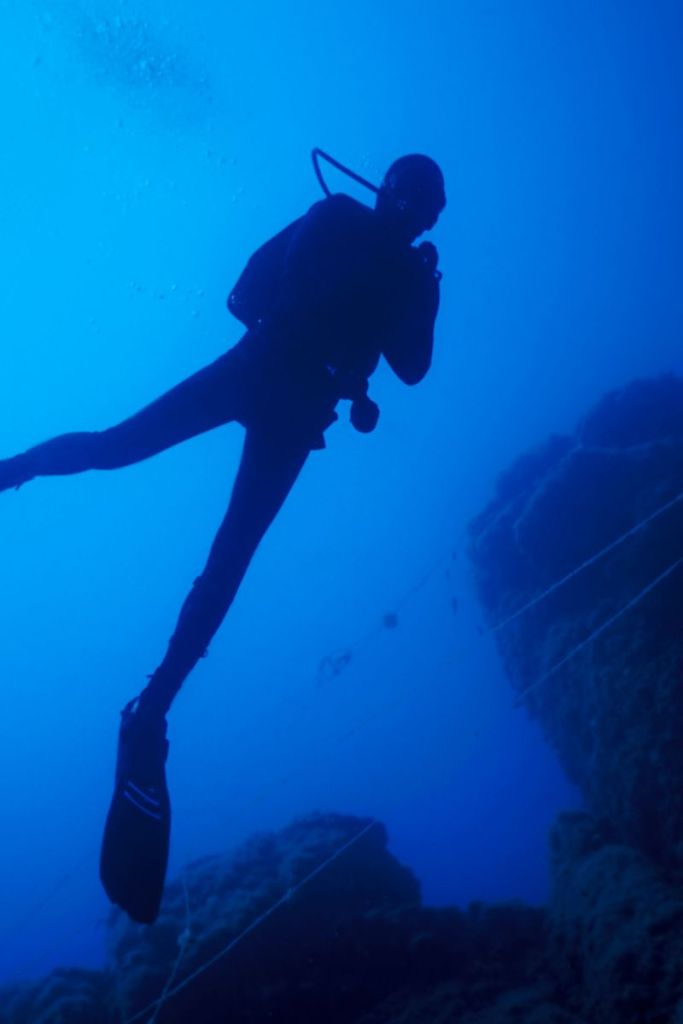
How do you feel about responding when something goes wrong? Some divers may hold a “black and white” belief that they fundamentally not capable of handling emergencies. That feels like a task for a more adulty adult, not you. It can mean not offering to help at all, even though, in reality everyone can offer something, and can improve awareness with rescue training. The belief of being incapable can also lead to a lack of confidence in ability to manage unexpected situations underwater, causing anxiety and potentially unsafe behavior during dives. Although I tend to say that no one ever chooses to panic, triggering of this belief can be a route to veering to dissociation and ineffectiveness. If the belief that “I am helpless” is at play, then it does feel like there are no available options, and this closing down of routes to safety can exacerbate the panic cycle. It can also be frustrating for observers/rescuers.
What Are Negative Core Beliefs? A Diver’s Guide
A negative core belief is a deeply ingrained and often subconscious thought or perception about oneself, others, or the world that is inherently pessimistic or self-limiting. These beliefs shape how individuals interpret their experiences and can significantly impact their behavior and emotional well-being. Most of us have a few negative core beliefs, some of us are aware of them and can sometimes spot when they are triggered.
Negative core beliefs typically develop during childhood or adolescence, often as a result of adverse experiences, such as trauma, criticism, neglect, or failure. These experiences can lead individuals to form generalized conclusions about themselves, such as ‘I am not good enough,’ ‘I am unsafe,’ or ‘I will fail.’ Once established, negative core beliefs are reinforced over time through cognitive biases, such as selective attention and confirmation bias. This means that individuals are more likely to notice and remember information that supports their negative beliefs while ignoring or dismissing evidence to the contrary.

In the context of diving, negative core beliefs might manifest as fears or doubts about one’s abilities, safety, or worthiness. For example, a diver might believe ‘I am not skilled enough to dive safely,’ ‘I will panic underwater,’ or ‘I don’t deserve to enjoy this experience.’ These beliefs can create significant mental barriers that hinder learning, enjoyment, and overall performance in diving.
Common Negative Core Beliefs Among Divers
A novice diver might believe that they are not capable of mastering the skills required for scuba diving. This negative core belief can manifest as anxiety during training sessions, leading to difficulty in performing basic tasks like mask clearing or buoyancy control. As a result, they may struggle to progress through their certification course and miss out on the joys of diving.
An experienced diver might hold the belief that they are not as skilled as their peers, leading to a lack of confidence during group dives. This can cause them to avoid more challenging dive sites or complex underwater tasks, thereby limiting their diving experiences and personal growth within the sport.
A diver planning a trip to a renowned dive destination may harbor the belief that they do not deserve to spend money on such an experience. This negative core belief can prevent them from booking the trip, missing out on unique underwater adventures and the opportunity to explore new marine environments.
A diver who has experienced a minor underwater mishap, such as a temporary loss of direction or a brief equipment malfunction, might develop the belief that they are prone to accidents. This can lead to heightened anxiety and hesitation in future dives, reducing their overall enjoyment and willingness to explore new dive sites.
A diver interested in further training, such as advanced or specialty courses, might believe that they are not ‘good enough’ to pursue higher levels of certification. This negative core belief can act as a barrier to their continued education and skill development, preventing them from achieving their full potential as a diver.
Identifying Triggers: When Negative Core Beliefs Surface in Diving
One way to know if a negative core belief has been triggered in a diving context is by observing emotional responses. If a diver experiences sudden feelings of anxiety, fear, or self-doubt, these emotions may indicate that a negative core belief has been activated. For instance, a diver who believes they are not competent might feel an overwhelming sense of inadequacy before a challenging dive. This will be expressed differently by different people. While some divers may become self-depreciating and openly unsure of themselves, others would channel that same reaction outwardly onto others. For example, excessively questioning other people’s kit or processes, lecturing, taking some less experienced diver “under their wing”, nit-picking or criticising. I can recall multiple occasions of being subjected to this deflected discomfort of another diver, and doing it myself. For example, I can occasionally become fixated on the “fact” that everyone else is doing it wrong! We all have our versions of it!
Behavioural changes can also signal the activation of a negative core belief. A diver might avoid certain types of dives, hesitate to take further training, or even cancel dive trips altogether. These avoidance behaviors can be a protective mechanism to prevent the discomfort associated with confronting their negative beliefs. We have to be concious here however, that there may also be valid safety concerns. Either due to mismatch in skill/experience for the planned dive, or the high level of stress that is being internally generated by the activation of the belief.
Physical symptoms are another indicator. Stress and anxiety triggered by negative core beliefs can manifest as physical sensations such as increased heart rate, shallow breathing, or muscle tension. For example, a diver who believes they are not safe underwater might experience these symptoms before or during a dive. This can impact air/gas consumption, decision-making, problem-solving, communication and can potentially lead to panic, errors or high-risk behaviour. It’s odd, the internal discomfort of an activated negative belief can be so great that people will choose to self-harm to alleviate the pain. Similarly, its not unusual to respond by jumping in with both feet, because for some people the adrenaline rush is far preferable than facing a negative core belief.
Cognitive patterns can provide clues as well. If a diver finds themselves engaging in negative self-talk or catastrophizing about potential dive scenarios, this could be a sign that a negative core belief is at play. Thoughts like ‘I will never be good at this’ or ‘Something bad will definitely happen’ are reflective of underlying negative beliefs.
Feedback from others can also help identify when a negative core belief has been triggered. If dive buddies or instructors notice that a diver is unusually withdrawn, overly cautious, critical or expressing doubts about their abilities, this external observation can be a valuable indicator of internal struggles.
You can’t reflect in the moment until you reflect on the moment. – ?Gareth Lock
It’s often hard to spot triggered beliefs while we are in them! Reflecting on past experiences can reveal patterns that suggest the presence of negative core beliefs. If a diver consistently feels a certain way in similar diving situations, such as always feeling unworthy during advanced training, this pattern can highlight the influence of negative beliefs. It’s something to consider for the log book practice.

The Importance of Continuous Learning and Training in Overcoming Barriers
Given the favorable conditions, learning and training in diving can significantly help overcome psychological barriers by building confidence. When divers acquire new skills and knowledge, they feel more competent and capable, which can counteract negative core beliefs such as ‘I’m not good enough’ or ‘I can’t handle this.’ Mastery of diving techniques through structured training programs provides tangible evidence of their abilities, thereby challenging and changing these limiting beliefs.
Diving education may include mental preparation and stress management techniques. Learning how to stay calm and focused underwater can help divers manage their thoughts and emotions more effectively. Techniques such as mindfulness, visualisation, and controlled breathing can be integrated into training, providing divers with tools to address and mitigate their psychological barriers. Check out our courses on mental rehearsal, breathing and other psychological skills.
Training also offers a controlled environment where divers can gradually face and manage their fears. Instructors can create scenarios that mimic real-life diving conditions, allowing divers to practice and become comfortable with various situations. This exposure helps reduce anxiety and reinforces positive experiences, which can replace negative core beliefs with more empowering ones. Where there is high emotional reactivity, trauma or repetition of unsafe practice, then this may not be appropriate, as these issues do impact the level of risk. Furthermore, diving professionals are not qualified to treat phobias, PTSD or anxiety conditions. (Although many are highly capable in supporting people through normal levels of anxiety, nervousness or self-doubt.)
However, for most people, these beliefs can be there without presenting such a high level of concern. In that case, they can be challenged through training and experience. Further training and advanced courses expose divers to new challenges and environments, which can be instrumental in overcoming negative core beliefs. As divers successfully navigate more complex dives, they build a portfolio of positive experiences that can counteract previous negative beliefs. This progressive exposure helps divers see themselves as capable and resilient, fostering a more positive self-image.
Dive trips and group training sessions provide opportunities for social support and encouragement. Interacting with fellow divers who share similar challenges can create a sense of community and belonging. Positive reinforcement from peers and instructors can help divers reframe negative core beliefs and adopt a more optimistic outlook. The camaraderie and shared experiences can be powerful motivators for personal growth and overcoming psychological barriers.
When more help is advisable
Mindfulness practices, such as meditation and deep-breathing exercises, can help divers become more aware of their thoughts and emotions in the moment. By cultivating mindfulness, divers can learn to observe their negative core beliefs without judgment and reduce their impact on their diving experience. Journaling is another valuable tool for working through negative core beliefs. By writing down thoughts and feelings, divers can gain insight into their mental patterns and identify recurring negative beliefs. This practice can also help them track their progress over time and recognize positive changes.
Exposure therapy is a technique where divers gradually face their fears in a controlled and safe environment. By slowly increasing their exposure to challenging diving situations, they can build resilience and reduce the power of their negative core beliefs. This method is often used in conjunction with other therapies for maximum effectiveness. Again, the practice of exposure to fear needs to be balanced against the potential risks.

Working with a professional who specializes in diving psychology can provide personalised support and strategies for overcoming negative core beliefs. A therapist can help divers explore the root causes of their beliefs and develop tailored interventions to address them, ensuring a more positive and fulfilling diving experience. When it is not appropriate to address the limiting beliefs via diving (e.g. trauma issues or high anxiety), or for those who are committed to personal growth in diving, therapy or coaching are worth considering. Cognitive Behavioral Therapy (CBT) is well-known as an effective methods for addressing negative core beliefs. CBT helps individuals identify and challenge distorted thinking patterns and replace them with more realistic and positive thoughts. This can be particularly useful for divers who may have irrational fears or self-doubt about their abilities. Personally, I tend to prefer the third-wave approaches, like Acceptance and Commitment Therapy (ACT), which focuses on moving towards what matters and taking the uncomfortable beliefs along for the ride.
However, my preferred option will often be the therapeutic sledgehammer that is EMDR! Eye Movement Desensitization and Reprocessing is an approach that helps individuals process and resolve negative core beliefs. These beliefs often stem from past traumatic experiences and can significantly impact various aspects of life, including diving. EMDR aims to reprocess these memories and beliefs, reducing their emotional charge and altering their impact on current behavior and self-perception. EMDR addresses negative core beliefs by targeting the root cause of these beliefs. For example, a diver who has a fear of deep water due to a past near-drowning experience can use EMDR to reprocess that traumatic memory. As the memory is reprocessed, the associated negative belief—such as ‘I am not safe in deep water’—is transformed into a more positive and realistic belief, such as ‘I can manage my safety in deep water with proper training and equipment.’ Similarly we can shift, “I am stupid and incapable of learning” to something more accurate and consistent with a growth mindset, such as “I am capable of learning when I put in the time and effort”. EMDR could also help divers to become more aware of their triggers in diving environments, more conscious of behaviour and better informed in decision-making. By addressing and transforming negative core beliefs, EMDR helps divers build confidence and resilience. This newfound confidence can enhance learning experience during dive training, enabling us to absorb new skills more effectively. Additionally, it can make dive trips more enjoyable and less stressful, as divers are less likely to be held back by irrational fears or self-doubt.
If you are interested in addressing issues relating to negative core beliefs in scuba diving, details about the service can be found here. I am also planning programs that focus on common skills blocks, such as mask clearing/removal/replacement and DSMB deployment.
(This article was written with Reword AI co-writer. It is a mix of human and AI generated writing, based in a human idea to be conveyed. It has passed a plagiarism check and we are willing to revise credits/references.)
 blog.fittodive.org